


B2B PPC - 12 Key Setup Steps

1. Finalize Your Buyer Persona
All the best ad copy, testing, and headlines in the world will do very little for your company if your ads are directed at the wrong audience. Each platform comes with different audience filtering options as we have seen, but you must own the starting point here and understand the exact persona or personas you want to target with your PPC campaign. There may be some audience assumptions you want to test out with your PPC campaign, but even still, you will need a clear picture of your buyer persona as an initial starting point that can be tweaked and iterated on as you progress through your PPC journey.2. Hone Your Value Proposition
The messaging you use in your PPC campaigns in terms of headlines, ad copy, etc., will come from your value proposition. Starting your messaging from scratch is a big mistake. It may well be that you have an internal or possibly external ad specialist running your campaign, but you need to equip this person with the materials they need to develop ads that are truly relevant to your target audience. Whether you as a marketing or business leader are executing the campaign implementation yourself or are handing it over to a PPC expert, the value proposition and how it relates to each buyer persona or personas should be clearly articulated and documented. From this point, the PPC campaign specialist can adapt and tweak the value proposition to the various ad formats required.3. Set Your Goals
Next, you should be clear about what exactly you are looking to achieve with your foray into PPC. Are you trying to build awareness of your product, generate leads, or eat into some of a competitor’s market share? Ultimately, you will be looking to grow your revenue, but you should lock in on the exact way you intend to do so via PPC - whether it is nurturing a warm audience or getting the attention of a high value target account.
4. Decide Your Budget
With your high level PPC goals locked in, then you can set your budget. Try to figure out what kind of ROI would make your campaign a success. Once your campaign is up and running, you can delve into more in-depth metrics around cost per click, cost per lead etc. which will help you adjust your budget as you go on. The other factor you might want to weigh up here are industry benchmarks and what kind of budget companies similar to yours are investing in PPC.5. Conduct Some Competitive PPC Research
Competitor research is an important part of your PPC setup. If you are making your first foray into the PPC world, there is an opportunity here to take something your competitor is doing and try to make it better. There are ways to track what ads your competitor is running and has run in the past - by analyzing these changes, you should be able to leverage what your competitor has learned and apply them to your own ads - with whatever tweaks you need to add to ensure the ad is in line with your messaging, value proposition, and branding.6. Choose Your Digital Ads Platform
In the last section, we went through the leading digital ad platforms and their suitability in terms of B2B. The number of ad platforms continues to increase as does the level of sophistication around audience targeting, retargeting, testing, and AI-powered audience expansion. There may well be platforms outside of the leading B2B PPC platforms that are suitable to your use case, but, in general, Google Ads and LinkedIn would be considered your safest bets for an initial foray into B2B PPC. While ad costs may be higher on these platforms, you can be sure your target audience is active on both platforms and - with the targeting options available - you can make sure you get your message in front of them, albeit at a premium cost.7. Set Up Tracking
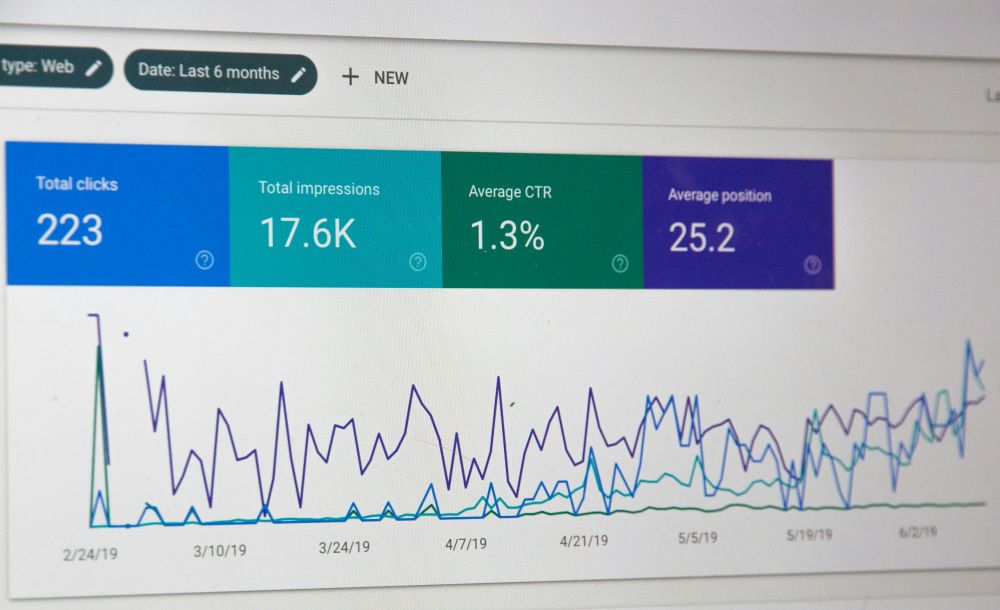
Each digital platform will come with their own set of technical set up instructions that usually involve adding a pixel somewhere on your website to track traffic from your PPC campaigns. This step can be done manually, but with some of the bigger platforms like Google Ads, you should be able to use a plugin - provided you are working off a WordPress website. The key step here is integrating your ad channels with Google Analytics so you can track the full PPC journey of your prospective buyers. You may also want to consider setting up some UTM tracking that will attach a tracking code to the end of your URLs so you can separate out your traffic on Google Analytics. UTMs can give you traffic info on source, medium, campaign, keywords, and content type.Another step to think about here is setting up goals in Google Analytics by creating conversion events that are tied to your PPC campaigns on Google ads and other channels. Once you have performed the technical setup for each of your digital ad channels, you should run a few tests to ensure everything is being tracked the way it should. Remember, the built in metrics on each platform will give you important insights, but - to get the most out of your PPC campaigns - you want to give yourself a unified view into how they are all performing. That is where Google Analytics comes into play and the task here for you as the PPC leader is to ensure tracking is set up in a technically correct way for each of your target PPC channels.
8. Perform Some Keyword Research and Target Audience Building
You are now ready to move onto audience targeting. With your buyer persona clearly defined, you will be in good shape on platforms like LinkedIn that let you build audiences by job title, industry, seniority, and more. However, some platforms like Google ads will give you the opportunity to bid on keyword search terms that are relevant to your target audience. Figuring this part out will require some keyword research which involves a number of key steps.- Keyword brainstorming - Before you start using any keyword research tools, you should do some brainstorming around the type of words your buyer persona is most likely to search for on Google and other tools. Start off with a long list of the main keywords you can think of.
- Think about intent - The next step is to think about the intent behind each keyword search term. Ask yourself if the keywords you have outlined are very broad in potential scope or would the intent behind the search be more focused. There are four main categories of search intent: informational, navigational, transactional, and commercial. Figuring out which category each of your chosen initial keywords lies in is an important step. One way - in addition to your own acumen - that you can understand search intent is by using some of the keyword research tools available today.
- Keyword Research Tools - There are a number of tools - both free and paid - available to help you analyze your chosen keywords. Additionally, these tools will provide suggestions of related terms that could be worth incorporating into your keyword target list. The best starting point here is the free resource of Google Keyword Planner, while some of the leading paid keyword tools include Ahrefs, SEMrush, and Moz Keyword Explorer. These tools will also give you insight into keyword search volume, competition, and cost per click estimates.
- Competitor Keywords - Earlier we mentioned that competitor research can be an important part of B2B PPC and, as you finalize your keyword targeting, it is worth considering which keywords your competitors are bidding on to make sure there are no valuable terms you are missing out on. Additionally, some companies bid on terms that are specifically related to their competitors such as “competitor alternative” and other similar terms. This approach can be valuable in a situation where a direct competitor has a high customer churn rate and there is an opportunity to generate some real sales opportunities.
- Longtail Keywords - Finally, it is worth considering the impact longtail keywords can have in PPC - these are the more specific, longer phrases that will generally cost less to bid on, be lower in volume, but higher in buying intent and can help you increase qualified leads.
9. Plot Your Buyer’s PPC Journey
Having established your audience, keywords, and completed your technical setup, it is worth taking the time to map out and fully understand the PPC journey or journeys you would anticipate your buyer to take. If, for example, you are using a LinkedIn lead gen form, the journey will simply be to fill in the form and someone on your team will follow up and try to arrange a meeting. If you are running an ad that brings the prospect back to your website, you should be clear of your intentions here. Do you intend on converting the website visitor through a form and subsequent follow up call or are you just interested in increasing web visitors? Whatever your intended journey is - you should take the time to map it out and - as time goes on - figure out ways to make it both more efficient and effective.10. Create Your Ads
The next step is about getting into the real PPC ad specialist work of developing headlines, copy, images, videos, landing pages, and whatever other materials you need for your ads. It is at this point that PPC ad skills become invaluable as various aspects of your ads will be tested out and improved over time, helping you get more out of your PPC campaigns. It is our contention that these PPC skills are vital - but only vital when they are used in the correct context of the broader marketing strategy and after the steps above have been completed. Too many companies dive head first into ad creation without really establishing the strategic foundations necessary to make the campaign a success.
11. Identify Key Metrics
With PPC you will not be short of data points to analyze. Each digital ad platform will come with their own set of in-depth analytics giving you information on impressions, click through rates, cost per click, and more. These metrics are all valuable, but the key for you is to figure out which metrics to focus on. You do not want to get bogged down in impressions if your campaign ROI is way behind where you need it to be. Instead, you need to hone in on some key data points and - if you are running ads on multiple platforms - you ideally want a unified view of your PPC campaigns as a whole. This step might involve a bit of customization on your CRM and there are other paid tools available that can help you achieve this level of PPC visibility. The ideal state is a live dashboard showing your sales pipeline and what percentage of pipeline is generated by each source be it PPC, organic, email marketing, events, etc. Remember, all the various metrics involved in each of your PPC campaigns will help you hone and improve your various PPC campaigns, but the overall PPC program should be measured in terms of revenue impact.12. Hold Regular Retro PPC Reviews
Finally, with everything set up and running smoothly, your PPC program will hopefully be showing some tangible business results. The final step is to schedule a periodic PPC program retro meeting where you and your team review progress. Consider the following questions in terms of PPC:- What are we doing really well?
- What can we do better?
- What can we improve?
This step can help you maintain a strategy-first approach to PPC. So much time in PPC will be spent on testing and iterating your various campaigns, that it is important to take a step back every now and again to analyze more high level improvement areas and ensure the program is aligned with the broader B2B marketing strategy.